Introduction
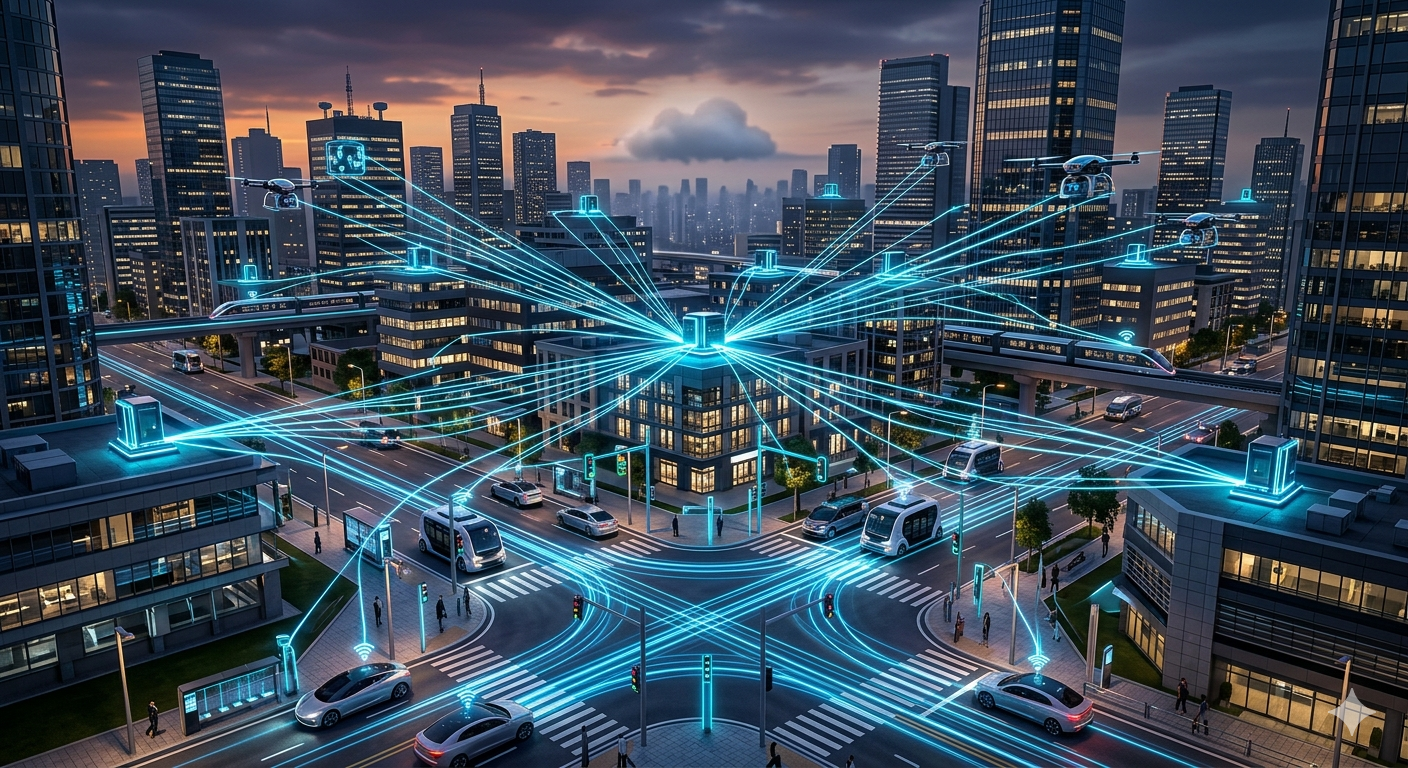
As the volume of data generated by IoT devices reaches unprecedented levels, the traditional centralized cloud model is hitting a bottleneck. Edge computing has emerged not just as a trend, but as a critical infrastructure requirement for businesses demanding real-time processing and ultra-low latency.
Why Edge Computing is the New Gold Standard
Unlike traditional cloud setups, edge computing processes data closer to the source. This minimizes the distance data must travel, significantly reducing latency. For industries like autonomous driving and remote surgery, a delay of even a few milliseconds is the difference between success and failure.
Key Business Benefits
-
Bandwidth Optimization: By filtering data locally, companies reduce the costs associated with transferring massive datasets to the cloud.
-
Enhanced Security: Sensitive data can be processed on-site, reducing the “attack surface” during transit.
-
Reliability: Edge nodes can operate independently even if the primary connection to the central cloud is interrupted.
The Bottom Line
Investing in a robust edge strategy is no longer optional. For enterprises looking to scale their AI and IoT capabilities in 2026, the edge is where the competitive advantage lies.